logo
Aperçu

le blog À propos Guide to 3D Printing with Flexible TPU Filament

Certificat
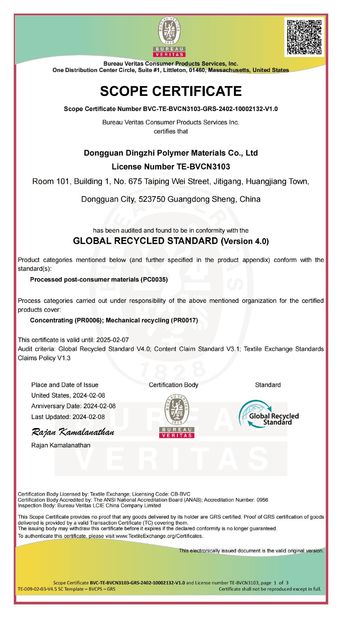
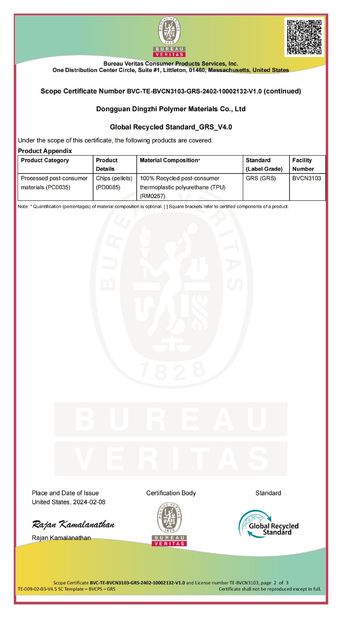
Chine Dongguan Dingzhi polymer materials Co., LTD certifications
Je suis en ligne une discussion en ligne
Société Le blog
Guide to 3D Printing with Flexible TPU Filament
Dernières nouvelles de l'entreprise Guide to 3D Printing with Flexible TPU Filament

Tired of rigid 3D-printed objects? Want creations that bend, stretch, and withstand impacts? Thermoplastic Polyurethane (TPU) filament might be your perfect solution. Imagine printing a smartphone case that not only fits comfortably but also absorbs shock from drops. Today we explore this remarkable flexible material, from basics to advanced applications.

Understanding TPU Filament: The "Flexible Gold" of 3D Printing

TPU, or thermoplastic polyurethane elastomer, is a polymer combining properties of rubber and plastic. This unique hybrid material offers both the moldability of plastic and the elasticity of rubber. Its defining characteristic is flexibility—not weakness, but rather exceptional elasticity, abrasion resistance, and impact absorption.

TPU hardness is measured using the Shore scale, with two main series: Shore A for softer materials (like shoe soles or seals) and Shore D for harder applications (such as rollers or bearings). Selecting the appropriate hardness ensures optimal balance between flexibility and strength.

TPU's Unique Advantages: Four Key Properties

TPU stands out in 3D printing due to four distinctive characteristics:

  • Exceptional Flexibility: TPU bends and stretches without breaking, ideal for components requiring frequent movement like hinges or springs.
  • Outstanding Durability: Highly resistant to wear, making it perfect for long-lasting parts such as tires or conveyor belts.
  • Superior Impact Resistance: Effectively absorbs shocks, excellent for protective cases and cushioning elements.
  • Chemical Resistance: Withstands exposure to oils, greases, and solvents, suitable for industrial applications like seals and tubing.
Applications: From Industry to Everyday Life
Industrial Applications
  • Seals and gaskets for machinery and automotive components
  • Protective covers for sensitive equipment
  • Vibration dampeners for industrial machinery
Consumer Products
  • Flexible smartphone cases
  • Wearable device accessories (smartwatch bands, fitness trackers)
  • Footwear prototypes
Medical Uses
  • Orthopedic braces
  • Prosthetic components
  • Medical device prototyping
Creative Applications
  • Custom grips for tools and controllers
  • Flexible joints for articulated designs
  • Decorative items and artistic pieces
Printing with TPU: Essential Settings

Successful TPU printing requires careful parameter adjustment:

  • Nozzle Temperature: 200-250°C (material-dependent)
  • Bed Temperature: 40-60°C to prevent warping
  • Print Speed: 20-30mm/s for optimal extrusion
  • Retraction: Minimal settings to avoid stringing
Hardware Considerations

Proper equipment significantly improves print quality:

  • Direct Drive Extruder: Provides better control than Bowden systems
  • Nozzle Size: 0.4mm or larger to prevent clogging
  • Print Surface: Textured or adhesive-coated for better adhesion
Practical Printing Tips
  • Store filament in dry conditions to prevent moisture absorption
  • Avoid over-tightening spools to maintain smooth feeding
  • Monitor prints closely for potential issues
Balanced Perspective: TPU's Strengths and Limitations
Advantages
  • Excellent flexibility and elasticity
  • High durability and tear resistance
  • Effective shock absorption
  • Chemical resistance
Challenges
  • More difficult to print than standard filaments
  • Requires slower print speeds
  • Moisture-sensitive storage requirements
  • Higher material cost compared to PLA/ABS
Temps de bar : 2026-04-07 00:00:00 >> Blog list
Coordonnées
Dongguan Dingzhi polymer materials Co., LTD

Personne à contacter: Ms. Chen

Téléphone: +86-13510209426

Envoyez votre demande directement à nous (0 / 3000)